

In the fast routine of the workplace, we sometimes notice recurring issues, low morale, or misunderstandings, but many times, we fail to see what truly drives them. These are not just random events or personal quirks; they are often signs of deep internal patterns within the teams and the individuals who form them. Ignoring these patterns comes at a cost, often hidden, but always real.
Understanding what internal patterns actually are
Every one of us brings something unique to the workplace: skills, experience, and also a set of learned responses from past environments. These learned responses shape the way we communicate, handle conflict, take feedback, and even manage stress. When these repetitive responses or cycles begin to shape daily work, we call them “internal patterns.”
Internal patterns are habits of thought, emotion, or behavior that unfold almost automatically in certain situations. They exist both in the minds of individuals and in the shared routines of teams and organizations. Most of the time, we live them without even realizing.
These may include things like:
- Withdrawing from discussions when a disagreement starts
- Feeling anxious around deadlines and overpreparing out of fear
- Assuming our point of view is “just being realistic” instead of emotional
- Regularly offering solutions before really listening to team members
- Believing that asking for help is a sign of weakness
What all these have in common is that they drive reactions—not responses. And when left unchecked, they can quietly influence the results of any project or even the whole culture of a company.
How hidden patterns affect daily work
We might expect that patterns are only a problem for individuals. In reality, they spread into teams and wider work culture, affecting everything from performance to well-being at work. Let’s look at some examples.

Sometimes, a team falls into the routine of avoiding difficult conversations. Feedback gets watered down, genuine disagreements never reach the surface, and misunderstandings linger. To an outsider, it seems like “everyone gets along,” but the truth is, the team is stuck in a loop of people-pleasing and risk-avoidance. In these situations, creativity and courage get replaced by caution and quiet frustration.
Other times, a pattern of negative self-talk affects one person’s contributions. We have all seen colleagues who stop themselves from sharing ideas because “it probably won’t be good enough.” Eventually, this turns into missed opportunities, lower motivation, and even resentment—not only for them but for those around them who miss out on a new perspective.
At the level of the entire organization, these patterns begin to multiply. Sometimes, meetings feel like scripts where everyone knows their lines: the boss leads, one or two people speak, the rest observe. The same problems show up—again and again. When the system protects comfort over growth, the cost is paid in slow progress and silent disconnection.
Recognizing the hidden price we pay
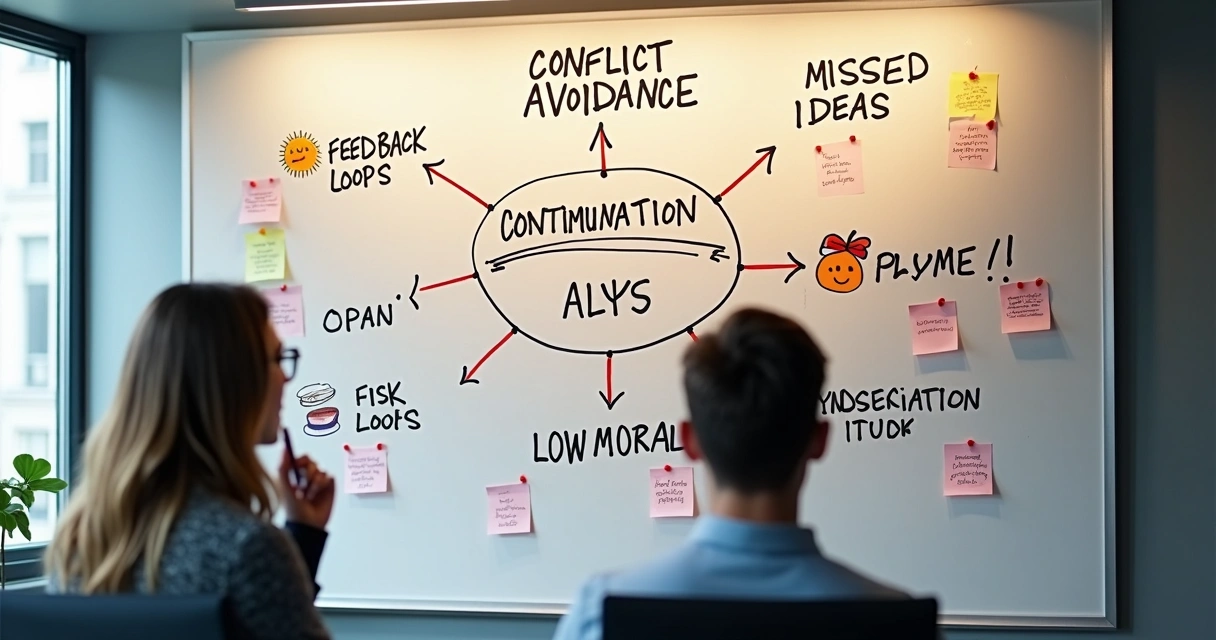
When we ignore internal patterns at work, we are not simply “letting things be.” We are allowing confusion, miscommunication, lost energy, and missed growth to take root just beneath the surface.
The hidden costs often include:
- Declining trust among team members
- Lack of honest feedback, leading to repeated mistakes
- High stress levels, burnout, and “quiet quitting”
- Increased resistance to change, new ideas, or useful critique
- Loss of clarity regarding goals and values
If we calculate the hours spent revisiting old arguments or working to repair misunderstandings, the loss is not theoretical. It shows up as actual setbacks and wasted potential.
It reminds us:
Patterns we do not address become problems we cannot escape.
The emotional impact is just as real
The numbers tell part of the story, but there is always an emotional cost. When work environments ignore internal patterns, team members end up feeling unseen, unheard, or undervalued. Not only do relationships suffer, but emotional well-being does too.
We have seen anxiety rise, low-level frustration become the norm, and talented people slowly withdraw from engagement. Over time, emotional wear and tear can even lead to poor mental health outcomes.
How can we become aware of our own patterns?
Some patterns are so normal to us, we barely notice them. Becoming aware takes both curiosity and honesty. We find it helpful to ask ourselves questions like:
- When am I most defensive or most silent?
- What situations regularly leave me tired or frustrated?
- Do particular coworkers or topics always trigger a reaction in me?
- Is my response based on what’s happening now, or on past experiences?
- Do I avoid or over-control certain situations at work?
These are not easy questions. We may discover patterns shaped by old fears, habits from childhood, or beliefs that were useful once but no longer help us now.
Moving from awareness to change
Once we notice a pattern, the next step is not to eliminate it instantly, but to try something different. Conscious action starts with small changes.
For example, if you recognize a tendency to avoid conflict, practicing clear and kind communication in low-risk situations can help. If as a team, you see a pattern of rushed deadlines causing burnout, it may mean discussing reasonable timelines together before starting new projects.
Here are some steps we have found that help teams begin to shift:
- Discuss patterns openly, without assigning blame.
- Ask for honest feedback—sometimes what is obvious to others hides from us.
- Make space for different ways of working or thinking in the team.
- Agree on shared values that guide decisions and interactions.
- Check in regularly to notice if old habits are returning.
Small experiments can build awareness, even if it feels uncomfortable at first. Progress is measured not by perfection, but by the readiness to notice and shift, one step at a time.
Is it ever too late to address these patterns?
In our experience, the answer is no. Teams change. Cultures shift. Patterns may feel strong, but awareness and honest communication offer a real path forward.
When we make the invisible visible—naming, questioning, and adjusting our patterns—the road to healthier, more respectful workplaces becomes possible.
Conclusion
Recognizing internal patterns at work is not always simple, but ignoring them leads to real loss: trust, energy, and connection all begin to fade. When we pay attention to these hidden habits and choose to face them together, the workplace becomes a space for growth and true collaboration. The first change is always on the inside, but the impact is felt by everyone.
Frequently asked questions
What are internal patterns at work?
Internal patterns at work are repeated habits of thinking, feeling, or behaving that show up almost automatically in certain situations. These may include how we handle stress, give feedback, or relate to colleagues, often shaped by our past experiences or beliefs.
Why should I care about internal patterns?
Caring about internal patterns matters because they quietly guide daily choices and interactions. If we ignore them, we risk repeating misunderstandings, losing trust, or missing growth in the team. Being aware can lead to a more positive, adaptable, and supportive workplace.
How can I identify harmful patterns?
To identify harmful patterns, we suggest noticing situations that cause ongoing frustration, repeated mistakes, or emotional tension. Asking for feedback, checking where you feel stuck, and observing team routines are good ways to start seeing patterns that could be creating problems.
What happens if I ignore these patterns?
If we ignore internal patterns, the same issues tend to repeat: trust drops, stress builds, and people disengage from problem-solving or creativity. Over time, work loses direction and teams stop growing together.
How to address hidden workplace patterns?
Start by talking about what you notice in yourself and the team, without putting blame. Listen openly, invite different perspectives, and try small changes with regular check-ins. The goal is not quick fixes, but steady attention and shared learning so that healthier patterns form over time.