

Remote work has brought change to how we connect, how we manage teams and, most importantly, how we notice when someone is struggling. Emotional fatigue is common when coworkers work apart, behind screens and separated by miles. It does not take much for these warning signs to pass unnoticed. In our experience, the best leaders and coworkers pay close attention. They ask, “How are you?” not just with words, but with open eyes and true presence.
Understanding emotional fatigue in the remote workspace
Emotional fatigue is more than just being tired; it shows up as a drop in energy, reduced enthusiasm, and a lack of emotional connection—often quietly and gradually. In remote settings, these signals are easy to miss, leading people to suffer in silence. Technology helps us meet, but it cannot replace the subtle, in-person cues. As we share what we have learned, we see that emotional fatigue damages both the individual and the team’s sense of belonging.
It’s easier to hide when there’s nobody in the room.
We have seen that by paying attention to the little things, we can catch signs of fatigue early and help in a kind, human way. Here are six proven ways we use to spot emotional fatigue in remote coworkers. Each method is rooted in observation, empathy, and presence—values that matter more than ever from a distance.
Notice withdrawal from team interaction
One of the clearest signs is when someone who was once engaged suddenly becomes quiet. In remote meetings, they may say little or appear disinterested. They might stop replying to team chats or decline virtual coffee breaks. Sometimes, a coworker will keep their camera off, or not participate in casual conversation.
- Little to no input in meetings
- Short or delayed responses to chat messages
- Consistently declining optional team gatherings
Withdrawal is rarely just about the work; it’s about feeling disconnected from the group. When we see this happen, we suggest reaching out one-on-one—not to pressure them, but to listen.
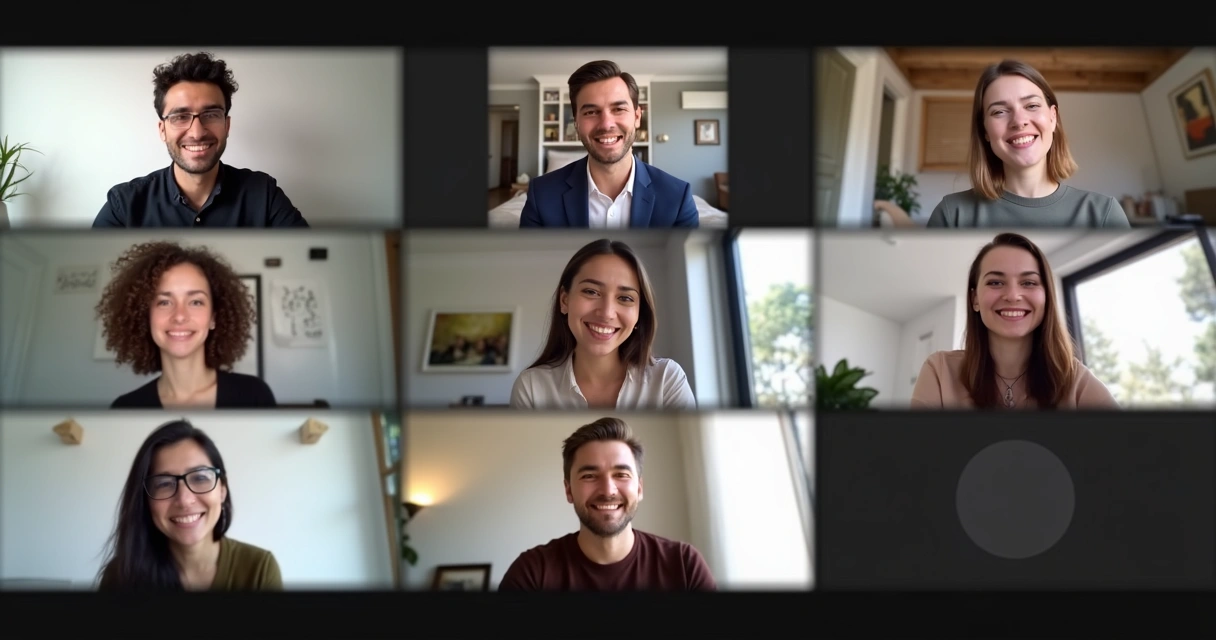
Watch for changes in communication patterns
We all have a certain style of communication. When someone starts sending shorter, blunt messages, or their tone shifts from friendly to flat, that’s a sign. Sometimes a person who used to use emojis stops, or there is a noticeable drop in their humor and warmth.
- Sudden shift from friendly to formal tone
- Loss of humor or playfulness in chat messages
- Messages that seem unfinished or careless
In our experience, these small shifts can signal that a person is becoming emotionally drained. Taking time to send a thoughtful message in response can be a good starting point for support.
Look for reduced reliability and missed deadlines
People going through emotional fatigue often have trouble keeping up with work. They might miss meetings, forget tasks, or take longer than usual to finish projects they once completed with ease. What was once routine starts to slip.
- Regularly late or forgotten assignments
- Last-minute rescheduling of meetings
- Repeated need for reminders or clarifications
When reliability drops, it’s worth considering if emotional fatigue is playing a part, rather than just poor time management. When we see this trend, we open an honest conversation about workload and support.
Observe visible signs of stress on video
While remote work limits what we see, video calls still reveal a lot. We notice when someone looks tired, distracted, or anxious—dark circles under their eyes, low energy posture, or facial expressions that seem strained. Of course, we must be careful, because everyone has off days. But repeated visual signs matter.
- Consistent lack of eye contact with the camera
- Fidgeting, sighing, or restless movement
- Appearing unkempt compared to their usual self
Gentle, private follow-ups let people know we care about the human behind the screen.

Listen for expressions of overwhelm or detachment
Sometimes, the words used in meetings or private conversations hold clues. Phrases like “I don’t care anymore,” “It’s just too much,” or “I’m just pushing through” tell a story. Often, these comments are understated, slipped between bigger topics. Colleagues who express constant overwhelm or emotional distance may be struggling more than we think.
- Frequent mentions of stress, being tired, or “just surviving”
- Talking about feeling detached from outcomes or team wins
- Expressing that nothing seems to matter or change
Words can act as warning signals, even if spoken lightly. When we pay attention, we can help coworkers feel heard before things get worse.
Track patterns of absenteeism and time off
A sudden increase in sick days or requests for time off, especially with vague reasons, can be a sign of emotional fatigue. If a previously reliable coworker starts disappearing from chat, missing meetings, or “going offline for the day” often, this likely means something more than a busy schedule.
- Frequent unplanned absences without clear explanations
- Pattern of logging off earlier or staying away longer
- Multiple requests for last-minute time off
Kind check-ins, grounded in compassion, help show we value the person and not just their productivity.
Conclusion: Building attentive and kind remote teams
Our experience tells us that detecting emotional fatigue needs more than a checklist. It asks for empathy, steady attention, and honest conversation. Each of us can help remote coworkers feel less alone by noticing, reaching out, and making space for emotional truth. When we do, we don’t just avoid burnout—we build stronger teams and healthier workplaces, even across distance.
Frequently asked questions
What is emotional fatigue in remote work?
Emotional fatigue in remote work is a state where a person feels mentally and emotionally drained because of ongoing stress, isolation, or overwork while working from home or apart from colleagues. It leads to feelings of detachment, a lack of motivation, and can affect both personal well-being and work quality.
How to spot emotional fatigue in coworkers?
To spot emotional fatigue, we watch for signs like withdrawal from meetings, changes in communication style, lower reliability, visible stress, expressions of being overwhelmed, and frequent unplanned absences. These signals often appear together and become more clear over time.
What are signs of emotional exhaustion?
Signs of emotional exhaustion include constant tiredness, irritability, lack of enthusiasm for work, reduced concentration, and a feeling of being emotionally “numb.” Coworkers may also miss deadlines or lose interest in group achievements.
How can managers help with emotional fatigue?
Managers can help by noticing early signs, checking in privately and supportively, encouraging healthy work-life boundaries, and offering flexibility. Building an open, trusting culture where people feel safe to share struggles makes a real difference.
Why is emotional fatigue common remotely?
Remote work often brings isolation, blurred boundaries between home and work, and fewer natural ways to connect. The lack of daily human interaction makes it easier for fatigue to grow unnoticed. Team members may feel pressure to always be “on,” missing chances to recharge or share their experiences with others.