

Self-observation is an art woven into the daily experiences that shape us. When we watch ourselves closely, we learn to respond instead of react. We become less like passengers in our own lives and more like conscious navigators. In our experience, developing inner maturity is possible for anyone willing to practice steady, honest self-observation. Small steps, repeated, can bring insight even in the busiest routine. Here are nine habits to nurture this process, with concrete ways to make them part of your days.
Getting started with self-observation
For many of us, self-observation is unfamiliar. We might notice our thoughts every now and then, perhaps in moments of stress or after a mistake. Strong self-observation is different. It means developing routines to see ourselves from a distance, without judgment or hurry.
We often mention, “What we notice, we can change.” This is why integrating self-observation into our routines is meaningful. Here are nine habits, each with its own value in developing maturity and self-awareness.
Habit 1: Pausing before reacting
In a world that values quick answers, pausing might seem passive. In reality, it’s a sign of maturity. By taking a breath or noticing our body before replying, we give space for wiser actions.
Space creates new options.
This small pause helps us separate old emotional patterns from the actual present. We see this in everyday situations: a heated email, a tense conversation, or an unplanned challenge. Each moment offers a chance to practice pausing, noticing, and choosing.
Habit 2: Keeping a self-reflection journal
We have found that journaling, even for five minutes, can reveal hidden beliefs and patterns. The act of writing builds a bridge between emotion and reason. By putting words to our feelings, we make them visible and less intimidating.
- Try to write about a single event, then describe your emotions and thoughts.
- Ask yourself: “What was really happening inside me?”
Journaling is private. There is no right or wrong. It is only for your own clarity and insight.
Habit 3: Tracking your physical sensations
Thoughts are only part of the story. Our bodies also carry signals: tightness, warmth, trembling, or stillness. By tracking these signals, we tune into real-time feedback from ourselves. Many studies, like those explored in research on meditation and self-observation of the body, show that which type of self-observation we choose shapes the mind in unique ways.
Paying attention to physical sensations grounds awareness. Try checking in with your body during stressful moments. You might notice your shoulders tense, or your jaw tightening. Quiet attention to these signs helps release them and understand your emotional landscape.

Habit 4: Naming your emotions accurately
We sometimes use generic words for how we feel: “bad,” “stressed,” or “fine.” Maturity comes when we name emotions more precisely: “I feel disappointed,” “I am envious,” or “I am relieved.” This gives us leverage over emotional patterns.
For those struggling with change or recovery, like in studies about intuitive eating and self-observation in eating disorder recovery, naming emotions is a key part of showing up authentically. We see this in our work: identifying emotions is the first step out of automatic reactions.
Habit 5: Observing your thoughts as passing events
Our minds generate thoughts all day long. It’s common to believe whatever comes to mind is true or urgent. Maturity rises when we step back and notice thoughts as passing events, not facts. It creates a healthy space for us to discern what we actually agree with and what is just mental noise.
If we can say, “This is just a thought, not a command,” it becomes easier to stay centered in difficult moments. Mental clarity grows with this simple habit.
Habit 6: Practicing non-judgmental awareness
True self-observation is not harsh or critical. It is rooted in curiosity. When viewing ourselves with a neutral lens, we learn, rather than judge. This is core to maturing.
Gentleness with ourselves is a strength.
If you catch yourself criticizing or blaming, pause. See if you can reframe your attention with compassion. As shown in studies on self-regulation and well-being, this attitude of non-judgment can help sustain healthy mental habits during challenges.
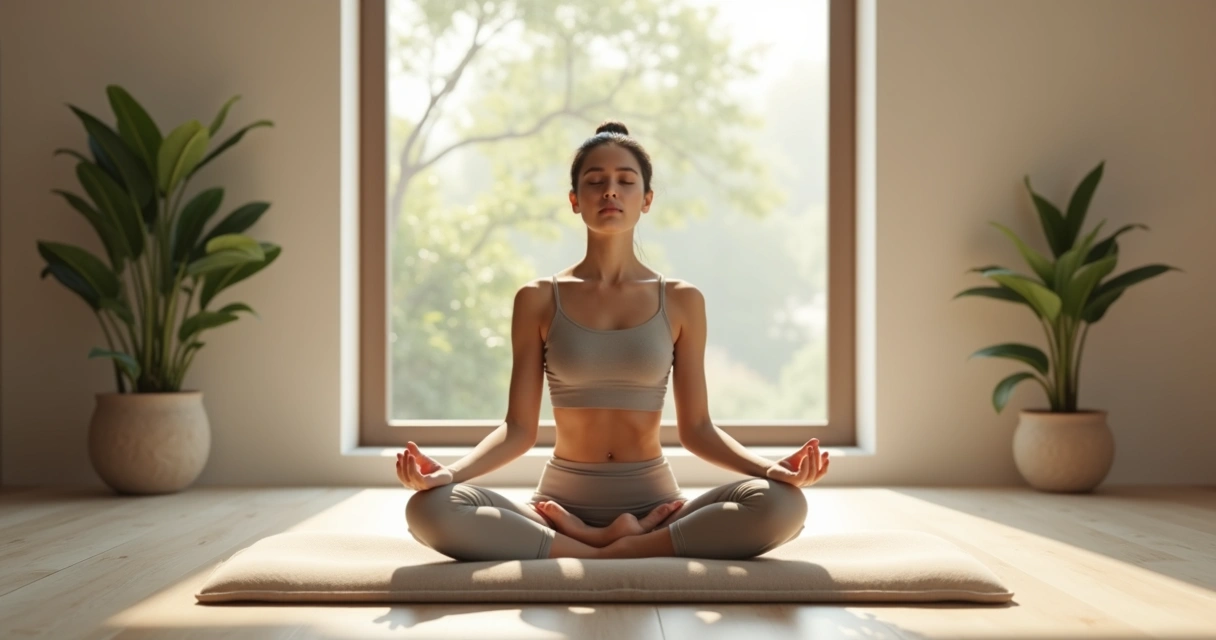
Habit 7: Setting aside time for mindful observation
Even setting aside one or two minutes for observing thoughts and sensations, without any agenda, supports clarity. Mindful observation can take many forms:
- Sitting quietly, eyes closed, following the in-and-out of your breath
- Walking slowly, noticing sounds, smells, and textures around you
- Doing everyday activities—brushing your teeth, washing dishes—with full awareness
Small pockets of mindfulness scattered through the day feed inner maturity and self-connection.
Habit 8: Reviewing your day with honesty
Before sleep, take a few moments to review your day. Ask yourself:
- Where did I act out of habit?
- Where did I truly choose?
- What did I learn about myself?
This daily review is not meant for shame, but for insight and tracking growth. It is a simple check-in that keeps maturity alive, even when days are long or complex.
Habit 9: Sharing your inner process with a safe person
Although self-observation is a personal practice, sharing your process with a trusted person deepens its impact. Speaking our thoughts and feelings out loud brings new perspectives and helps us organize internal chaos. We have observed that when people share openly, their clarity increases and their patterns become easier to work with.
This sharing could happen in conversation with a friend, in a support group, or with a professional. The act of being witnessed in your self-observation often supports the next step in maturity: aligning insights with action.
The science behind self-observation habits
There is strong support for self-observation habits in research. Studies summarized in articles on self-monitoring and behavioral change show that online self-monitoring is linked to better outcomes in health and habit change. Other studies have found that self-regulation through observation supports mental health even in stressful situations. Each of the habits listed above draws on simple actions shown to help people grow from the inside out.
Staying patient with yourself
It would be easy to expect fast change. However, self-observation is slow, steady work. Some days will feel natural, others awkward. The real progress often comes quietly, after weeks or months of repeated attention to your own patterns. Self-observation is the starting line for real growth, not the finish.
Conclusion
All external progress springs from our ability to see ourselves clearly, gently, and honestly. These nine self-observation habits are seeds for maturity. We encourage making them part of your daily routine. Over time, watching yourself with care can bring a sense of stability, deeper understanding, and a gentler way of being in the world. Every habit is an invitation—to respond, rather than react, to choose, rather than repeat. In our experience, this is where real change begins.
Frequently asked questions
What is self-observation in personal growth?
Self-observation is the ongoing process of gently paying attention to your own emotions, thoughts, goals, and behaviors as they happen. It helps you understand why you react the way you do and discover patterns that shape your decisions, leading to personal growth.
How can I build self-observation habits?
You can begin with simple steps like setting reminders to pause and reflect, keeping a daily journal, or practicing mindfulness for a few minutes at a time. Over time, repeating these habits turns self-observation into a natural part of your routine.
Why does self-observation improve maturity?
Self-observation improves maturity because it lets you recognize patterns, take responsibility for choices, and respond thoughtfully instead of on impulse. By understanding ourselves better, we learn to break old cycles and act more in line with our values.
Is it hard to practice self-observation?
For many people, starting self-observation can feel uncomfortable or awkward. With patience and small regular efforts, it gradually becomes easier and more natural. Mistakes are part of the process, and gentleness with yourself helps a lot.
What are the best self-observation techniques?
Some effective self-observation techniques include journaling, body scans, naming emotions, non-judgmental awareness, and reviewing your day for patterns. Trying a mix and noticing which methods feel right for you can make the process more sustainable and useful.